
Things to Consider for New Commercial Buildings
lanning matters when building a new commercial space. If you don’t take the time to design an electrical system that meets your needs today but also supports your future growth, you’ll be setting yourself up for failure. This blog breaks down the key electrical considerations to keep in mind before, during, and after construction.
What Every Commercial Building Needs
Of all things to consider when building a new commercial space, ensuring it has enough power for everything is the most essential step. An electrical system that cannot keep the lights and equipment on efficiently will spell disaster for your daily operations. But by planning your commercial electrical design properly, you can avoid suffering delays, lower long-term costs, plan for future electrical needs, and keep your business running smoothly.
It Starts With a Plan
A good plan for your electrical system will set the tone of the entire project. Without it, even the greatest construction work with the best materials will suffer delays, expensive corrective updates, and poor performance. When planning your electrical layout, keep the following two considerations in mind:
Understand Your Power Needs
Whether you’re setting up a restaurant, office, retail store, or warehouse, each will require different electrical loads and layouts. To get a good idea of your power usage, always work with a commercial electrician to ensure your space has enough power for lighting, HVAC systems, equipment, and future additions.
Plan for Future Growth
It’s easy to design a system for today, but a smart plan also considers tomorrow's needs. If you plan to add future equipment, technology, or other appliances, adding the extra capacity now will save you from paying costly electrical panel upgrades later.
Choosing the Right Electrical Panel and Service
Choosing the right electrical panel for your commercial space is essential because its jon is to safely distribute power and keep everything running smoothly. If you choose the wrong one or do not take care of it, you run the risk of everything failing when you least expect it. Here are two things to consider when choosing a panel:
Go with the Right Capacity
Most commercial buildings need more power than residential spaces. Choosing the right amp capacity—such as 200-amp or higher—ensures your system can handle daily operations without overloads, because an undersized panel can lead to frequent breaker trips, downtime, and safety risks.
Consider 3 Phase Power
Many commercial buildings benefit greatly from 3 phase power systems because they can provide more consistent and efficient power for heavy equipment and large HVAC systems. If your business relies on machinery or power-hungry systems, having a 3 phase power system is often the smarter choice.
Electrical Code Compliance Matters
Electrical code compliance shouldn’t be optional because it’s essential for your commercial space’s safety, future inspections, and long-term operation. If your commercial space isn’t up to code, you’ll find yourself paying hefty fines at best or shutting down at worst. Being code compliant matters if you want to:
Meet NEC Requirements
If you want your business to stay online and operate safely, your electrical system must meet the latest National Electrical Code (NEC), which covers everything from safe wiring methods to modern GFCI and AFCI protection. If you’re code compliant now, you won’t have to pay for costly corrections later.
Avoid Delays and Fines
Code violations can slow your operations or even stop them completely, and trying to fix issues later is always more expensive than fixing them right the first time. It’s far cheaper to stay compliant with the latest NEC requirements than to pay fines.
Lighting Design That Works for Your Business
Lighting does more than brighten a space—it impacts safety, productivity, and customer experience. But don’t just settle for any type of light, because choosing the right lights and fixtures can help lower utility bills and or costly replacements.
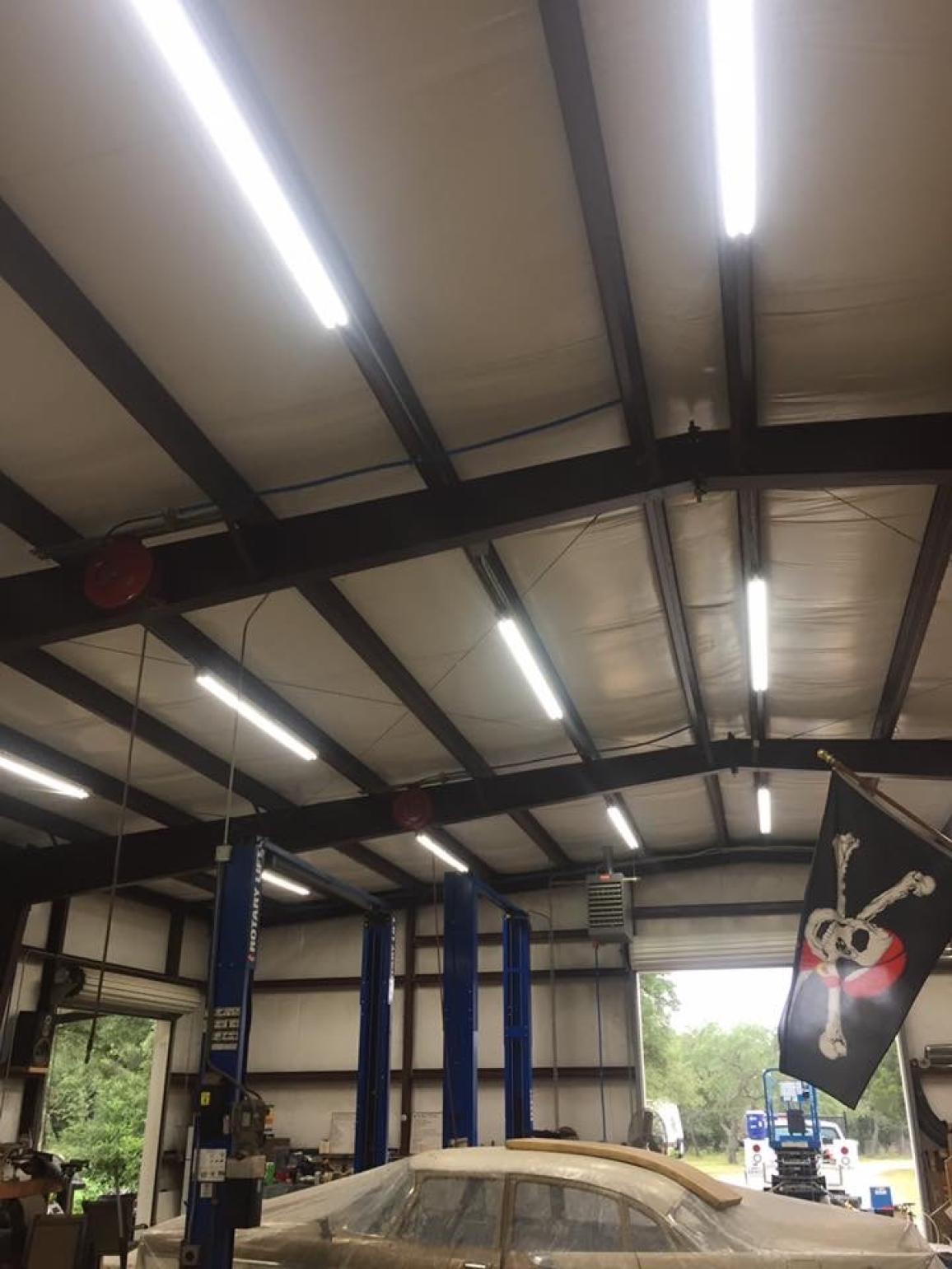
Use Energy-Efficient LED Lighting
LED lighting upgrades are a must for modern commercial builds because they use less energy, last longer, and reduce maintenance costs. Switching to LEDs can also help lower your utility bills while improving the overall lighting quality.
Focus on Function and Layout
Different areas of your commercial building will need different types of lighting. For example, offices need consistent overhead lighting, while retail spaces benefit from accent and display lighting. Having a well-planned lighting design not only improves workflow but also creates a better environment for both employees and customers.
Plan for Dedicated Circuits and Equipment
Commercial buildings often run multiple systems at once, making proper circuit planning important. If you don’t add dedicated circuits in your commercial build, your electrical system will become strained, prone to failure, and cause problems for your business.
Separate High-Demand Equipment
Large equipment such as HVAC systems, refrigeration units, and machinery should have their own dedicated circuits to prevent overloads and keep everything running safely. Placing these power-hungry machines in their own circuits also helps reduce the risk that a single issue affecting one machine could affect your entire system.
Support Specialized Systems
Some businesses, such as data centers, commercial kitchens, and medical facilities, require specialized electrical setups for their specialized equipment. When planning for such spaces, having additional circuits can stop you from wasting time and money trying to add them later.
Don’t Overlook Safety Features
Safety should always be built into your electrical system, not added as an afterthought. If you overlook adding safety features to commercial space, you not only put your business at risk but also put your employees and customers at risk. Consider adding the following to your system:
Install Surge Protection
While a whole building surge protection system may be a small upgrade, it is essential for protecting your equipment from voltage spikes caused by storms or utility issues.
Use GFCI and AFCI Protection
GFCI outlets are made to protect people from electrical shocks, especially in areas with water, while AFCI protection is made to prevent electrical fires caused by arc faults. Both are essential for protecting both your commercial space and the people working within it.
Wiring and Infrastructure Setup
Good wiring is the foundation of a reliable electrical system, so every business owner must be wary of cutting corners, as doing so with their infrastructure will lead to ongoing problems.
Use Quality Materials
Always use high-quality wiring and components for your new commercial builds because they will last longer and perform much better. Investing in the best materials also helps reduce the risk of overheating, power loss, and electrical failures during your busiest days.
Organize for Easy Access
When planning the wiring layout of your new commercial build, plan it in such a way where it becomes easy to maintain and upgrade at a later date. Also ensure everything is properly labeled so troubleshooting electrical issues become easy for your commercial electricians.
Smart Technology and Automation
In these modern times, many of the new commercial spaces come with smart systems to improve business operation, energy efficiency, and occupant comfort. While some dismiss smart tech as an unnecessary upgrade, the long-term return on investment and convenience are just too good to ignore.
Add Smart Controls
Smart lighting systems, automated controls, and energy management systems give you better control over your building, making it more flexible and user-friendly.
Improve Energy Efficiency
Smart systems help track and reduce energy use, leading to a more sustainable building and lower operating costs. It’s an easy win for both your budget and the environment in the long term.
Backup Power and Reliability
Nothing can hurt a business more than being without backup power during a power outage. Even if your area isn’t known to have power problems, it’s always better to have an alternative power source just in case.
Install Backup Generators
A commercial generator installation keeps your business running during outages. This is especially important for businesses that rely on continuous power.
Plan for Redundancy
Critical systems may need backup circuits or secondary power sources to continue working during an outage. Not only does this add a layer of reliability to your electrical setup, but it is also a smart move if your business can’t afford downtime.
Final Thoughts: Build It Right from Day One
Your commercial electrical system is one of the most important parts of your new build. When you plan carefully and invest in the right components, you can set your business up for long-term success. Looking for a commercial electrician near me? Texas Strong Electric can ensure your system is safe, efficient, and long-lasting.