
Generator Installation in Central Texas
Losing power in a Texas summer isn't just inconvenient; it can turn dangerous fast. We install home generators for Central Texas homeowners who want dependable backup power when the grid goes down. As your local team of licensed electricians, we'll help you choose the right generator, install it correctly, and make sure it's ready to go before you ever need it. Contact Texas Strong Electric for a free quote on your home generator installation.
Get A Free EstimateFinancing available through Affirm.
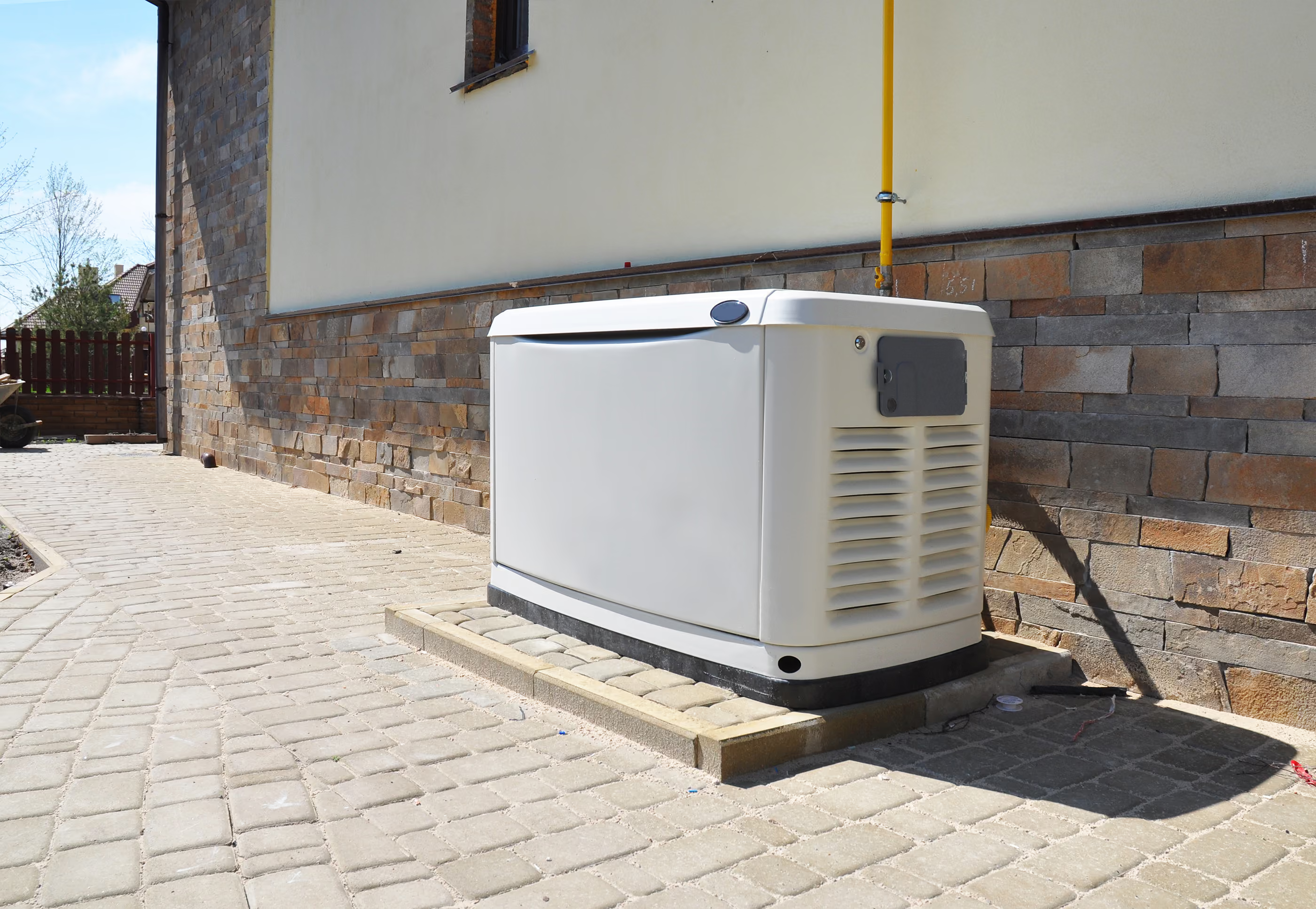
Types of Home Generators
The first decision is portable versus standby. From there, it comes down to how much of your home you want to keep running. Standby generators run on natural gas or propane. We work with both, and if your home needs a gas line or fuel source that isn't already there, we'll coordinate with the right contractor to get it done as part of the project.
Portable Generators
A portable generator can power a few essential items during a short outage, but it has to be set up and connected manually every time, following the manufacturer's safety instructions.
Standby Generators
A standby generator is installed permanently outside your home and switches on automatically when the power goes out, no manual setup required. Everything below is a way of sizing a standby system to your home.
Whole Home Generators
Sized to run a larger share of your home's electrical system, including major appliances and HVAC, so an outage disrupts your routine as little as possible.
Essential Circuit Backup Generators
Sized to reliably cover the things you can't do without: refrigeration, lighting, your router, security system, and often part of your HVAC.
Benefits of Installing a Generator
A generator does more than keep the lights on. The right residential backup generator can make power outages easier to manage and help protect your home from the disruption of losing electricity.
-
Keeps Essential Systems Running
Depending on how it's sized, a generator can power just the basics or your whole home's major systems. -
Provides Automatic Backup Power
A standby generator and transfer switch work together so your power switches over on its own. No standing outside in a storm to hook up equipment. -
Adds Comfort During Outages
Losing AC in a San Marcos summer can turn a power outage into a real problem fast. A generator keeps your home livable while the grid is down. -
Helps Protect Your Home
Security systems, sump pumps, refrigerators, and other systems that depend on power keep running when you need them most. -
Gives You More Peace of Mind
You can't predict when the power will go out or for how long. A generator means you're ready either way.
Should I Get a Generator?
A generator is worth considering if your area sees frequent or lengthy outages, you work from home, you rely on electric HVAC or medical equipment, or you'd rather not deal with a portable unit and extension cords during an emergency. Signs it's worth a conversation:
- Your area experiences frequent power outages.
- You want backup power for your HVAC system.
- You work from home and need reliable electricity.
- You want to keep refrigerators and freezers running.
- You have security, communication, or medical equipment that needs power.
- You'd rather have automatic backup than manually run a portable generator.
What Happens During a Home Generator Installation
A professional generator installation involves more than just placing a generator outside and connecting it to your home. It involves understanding your needs, your home’s electrical load, the condition of your panel, and other considerations. When hired to install a home generator, we:
1. Assess Your Home's Power Needs
We look at your existing electrical system and talk through what you want powered during an outage, whether that's the essentials or the whole house.
2. Choose the Right Generator
Based on that conversation, we help you find a generator that fits your home without paying for more capacity than you'll use.
3. Install the Generator and Transfer Equipment
We install the unit, run the necessary electrical connections, and add a transfer switch so the system switches to backup power on its own.
4. Connect and Test the System
Once everything's connected, we test it, confirm it switches correctly between utility and backup power, and make sure it's working the way it should.
5. Walk You Through It
Before we call it done, we'll go over how your system works and what maintenance it needs, so you're not guessing the first time the power goes out.
Frequently Asked Questions
About Generator Installations
We often hear the same questions from homeowners when they’re considering a home generator installation, from choosing the right size to understanding costs and how the system works. Below, we’ve answered some of the questions we hear most often to help you feel more prepared for your next step.
How much does a home generator installation cost?

It depends on the generator, the electrical work involved, fuel setup, and how many circuits you want backed up. We'll walk your home and give you a project-specific quote.
Do you offer financing for generator installations?
Yes. We offer financing through Affirm, available right on your invoice, so you can spread the cost of your generator installation over time instead of paying it all at once.
How long does generator installation take?
Timelines vary based on permitting, fuel line work, and generator availability, and can run longer during high-demand periods like storm season. We'll give you a realistic timeframe once we've scoped your project.
What size generator do I need for my house?
It depends on what you want to keep running during an outage. We'll evaluate your home's power needs and help you decide between essential-circuit and whole-home coverage.
Do I need a transfer switch?
Yes, for a standby generator. The transfer switch is what safely separates utility power from generator power and lets the system switch over automatically instead of you doing it by hand.
Can a generator run my whole house?
Some can. It depends on the generator's size and what your home needs during an outage. We'll help you figure out what makes sense.
Can I install a home generator myself?
No. A generator installation involves electrical connections, transfer equipment, fuel coordination, and permitting that need to be handled by a licensed professional to be safe and code-compliant.
How often does a home generator need maintenance?
It depends on the equipment, but most systems need periodic testing, oil changes, and battery checks to stay ready. We'll go over your generator's specific schedule after installation.
Can a generator power my HVAC system?
Yes, if it's sized for it. HVAC equipment takes a real jump of power to start up, so we factor that in when sizing your system.
Home Generator Installation in Central Texas
Texas Strong Electric is based in San Marcos and installs home generators throughout Central Texas, including:
Get Your Home Ready for the Next Outage
You don't have to wait for the next storm to think about backup power. Texas Strong Electric can help you choose and install a generator that fits your home and your budget. Contact us today for a free quote.
Financing available through Affirm.